Ethics · Health · Nature · Personal · Pets · Uncategorized

Sixth Sense

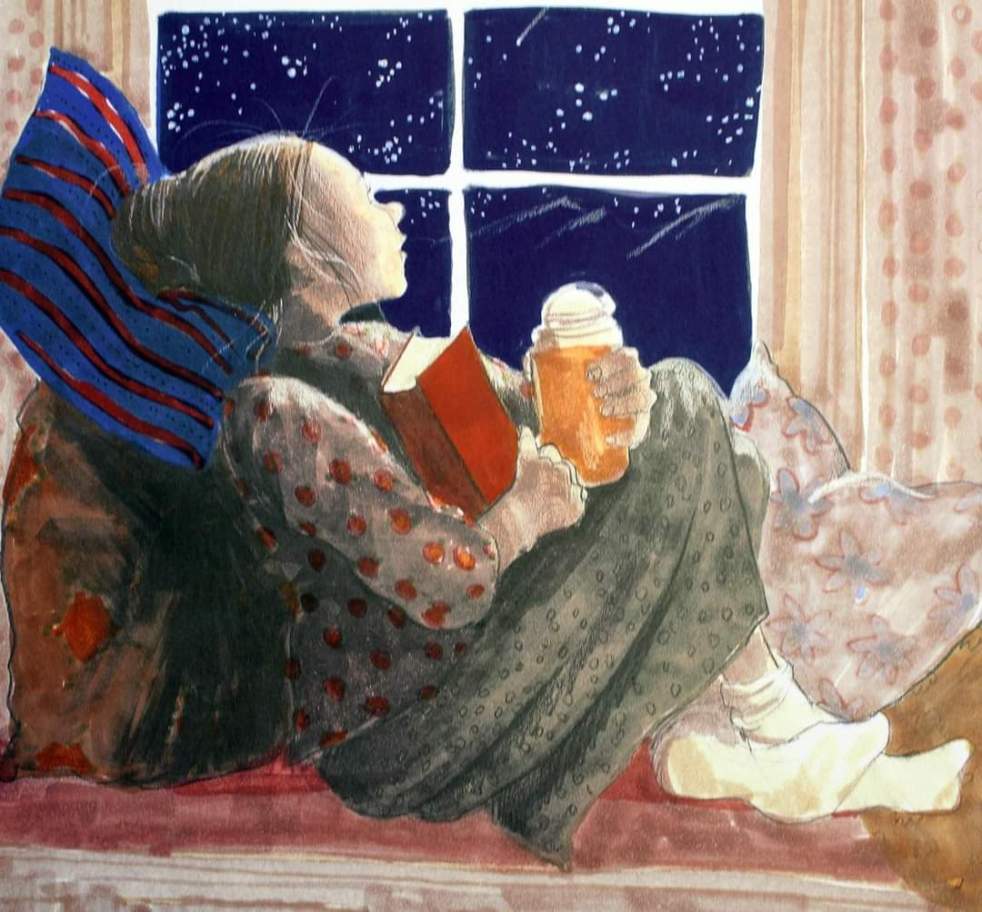
What if everyone has an extra ability? Or several? They could be big or small, but they wouldn’t be considered “normal.” They wouldn’t be something everybody talked about. They would probably be hidden

Empathy might be a more common one. I know that I cared more in general when I was a child. I slowly realized that could be used to hurt or control me. I layered other gifts over it … things like logic, objectivity and observation.

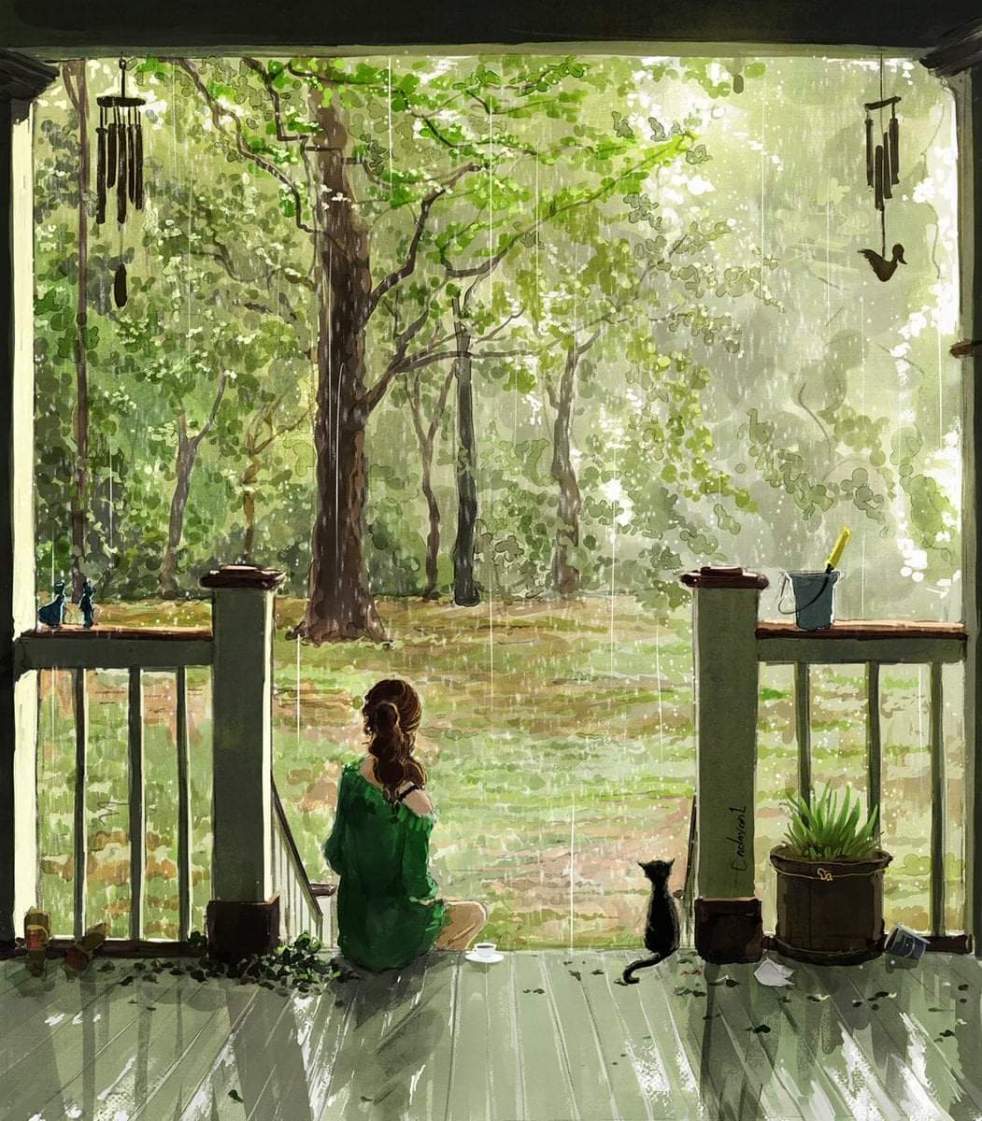
As a child I believed that I could understand animals, not speech but still communication. In the beginning, I believe it was natural and went along with my instinct to be quiet and still, to watch and wait.

Adulthood was a long Interlude where I locked away my instincts, intuition and emotions in order to fit it and even to compete and excel. I was both disconnected and searching for connection. In my thirties I asked, “Is this all there is?” The meaning of THIS varies for everyone, but I meant trying to please other people, to meet expectations, and to work to make money to buy better and bigger things.

While searching for understanding, I renewed my sense of wonder, my connection to nature and began reforging the link between my emotions and my mind. I got really sick and an abused cat helped rescue me. We bonded so intimately that we really did share emotions and thoughts/intentions. Possibility bloomed … slowly.

I started the journey back to the beliefs and intentions I’d lost or never codified. The biggest one has been that all life has intrinsic value beyond how humans can use it, including my own.

I have several other knacks. I can wake during the night and know what time it is, usually within ten minutes or so. If I truly care about it, I can set a mental alarm clock and wake when I need to. I’m a lucid dreamer, although less so now than when I was young. I have a sneaking suspicion that many people have similar knacks and that a lot of people suppress then and never get them back.

I remain more cautious and more reserved than in my childhood, but I’m grateful to understand I’m making that choice and can change whenever I need to.

Ethics · Family · Personal · relationships · Society

Roles and Assumptions

Over time, societal assumptions strongly influence family dynamics.

The underlying social premises are that self-employment is harder and deserves more consideration than working for someone else. Working while raising a family deserves more respect and accommodation than does a child free couple or individual. Money is the best measure of status. Living without drama is considered cold at worst and reserved at best.

This, of course, is the perspective of the divorced child free oldest sister (me) who actually lived away from home for nearly 20 years. With no family and only new friends and acquaintances available, an inclination toward reserved self-reliance was adaptive. When coupled with my independent egalitarian attitudes and a compulsion to ask “why,” my company is less than comfortable. And, I get tired of censoring myself just to keep the peace. (Probably why I’m divorced and contentedly single!) I also get tired of having the same arguments over and over again.

Fortunately, I usually find a few coworkers and friends who are interested in ideas: talking about them, comparing them, evaluating them. The trick is finding people who remain civil when their viewpoints are challenged. I enjoy a good discussion and have been known to argue against my own viewpoint just for the fun of it.

Since I don’t ask for help often, I’m taken seriously when I do. When asking for that help, I try to prioritize the other person’s circumstances. When I’m asked for my opinion, I give it. I try to do it gently and may even confirm it’s really wanted, but then I express it. I’m good at problem solving, at finding common ground and at establishing the parameters of a situation. I’ve gotten better at doing what I feel is right and letting go of the outcome. I am happy to express compassion and offer reasonable support. I will not offer platitudes or accept faulty reasoning. I don’t think assigning guilt or engendering it is helpful in relationships, especially among family. Hear both sides of the issue and then move on.

Within my family, this means I’ve assumed the roles of rebel, negotiator, advocate, critic and outcast … sometimes concurrently. I play caretaker judiciously. Since I’ve given family members persona designations, I’ve given myself one to be fair. As the family Ice Princess, I value logic over emotion and fairness over winning.

I implement my beliefs imperfectly. I slip back into consumerism. I avoid confrontation and procrastinate. I question the value of life. At bedrock though, I believe that everyone’s (and everything’s) life has value. And that includes mine.

Family · gender · Memory · Personal · relationships

The Habit of Sorry

From childhood, we start apologizing. Sorry, Mom. Sorry, Dad. Sorry, Teacher. Sorry, World. At some point though, boys get a pass and girls just get habituated.

This conspiracy is built on a lie. The lie is that staying small (apologizing, not taking up too much space) will keep girls safe. In reality, this makes girls less safe because they don’t learn how to fight for themselves without also taking steps to ensure everyone else has had their needs met. That everyone else stays happy. Their power is muted. They try to keep the peace and minimize the danger. Staying small and saying “sorry” becomes a dangerous habit.

I find the current idiom of “sorry, not sorry” a useful transition. The recipient is disarmed. On the other hand, passive aggressive isn’t the best coping skill. I’ve learned to use disengagement. In a few memorable instances, I’ve said, “I’d only have this argument if I cared about your (fill in the blank). And I don’t.”

When my marriage was ending, criticism and control was so common that I slipped back into the automatic “sorry” habit to avoid constant conflict. The incident that made me realize it was:

My spouse was on overnight duty one summer weekend. Our duplex had no air conditioning and retained heat. We used fans to create air currents by pulling from the coolest side. We commonly left windows and doors open with screens only. I left the front door open and double locked the security screen door. I went to bed.

I was awakened early the next morning by banging and shouting. He was waiting at the door with a bunch of military gear. He wasn’t happy. He wanted to know why I’d locked up when I knew he’d have all his stuff with him. Still groggy, I started with “sorry” and began to explain. Then I stopped myself and asked, “Would you want to sleep alone in a house way out here with unlocked doors?” I got only an,”Oh, yeah.” I realized I’d been making myself smaller and letting him take up more and more space.

Habits are hard to break, especially when they are being reinforced. Trying to replace them with something else, like a question, helps.

Family · Health · Memory · Personal

Broken Heart

I was born with a broken heart and everyone knew it. I was too small for surgery. I had to wait. While I was waiting, I had to be quiet and careful. I had to be small when I wanted to be big.

I wanted to do everything. I wanted to feel everything. I wanted to know everything. I also wanted love. I also wanted approval. I tried to do as I was told and, when I did, I got love and approval. Doing what other people wanted, gave me love and approval. This was experience not reasoning. Call it conditioning.

My world was small, but I had my imagination and then I learned to read and I HAD BOOKS. And my heart was mended. But quiet and careful were already habits for me as expected by everyone.